
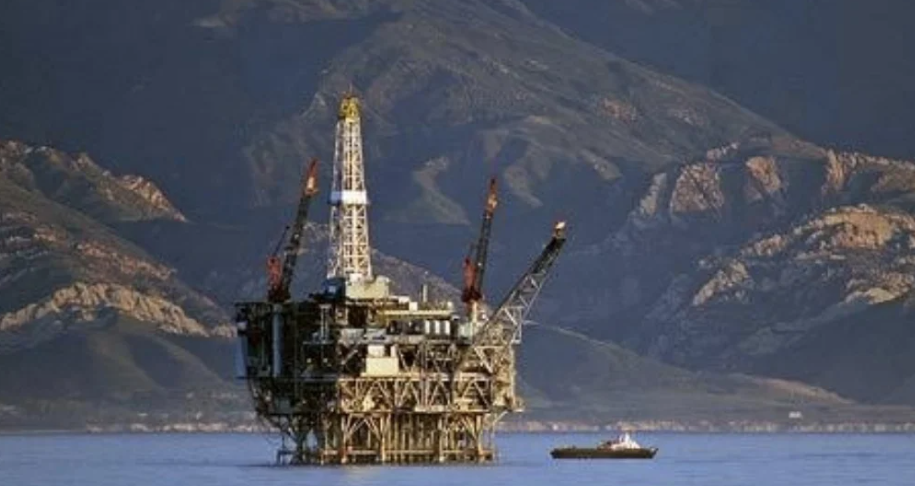
The Department of Energy has just issued a major order under the Defense Production Act directing Sable Offshore Corp. to prioritize use of its Santa Ynez Pipeline System to move offshore California crude to in‑state refineries, citing the ongoing national energy emergency and particular vulnerabilities on the West Coast. This order effectively instructs Sable to treat pipeline transportation from the Santa Ynez Unit as a top‑priority service, ahead of alternative transportation options, and to report monthly to DOE on volumes moved under the order. It underscores how federal emergency authorities are now being used to compel operational changes in critical energy infrastructure.
In tandem, a new executive order titled “Adjusting Certain Delegations Under the Defense Production Act” amends prior delegations so that both the Secretary of Commerce and the Secretary of Energy can independently exercise key Defense Production Act authorities. It also clarifies that agency heads do not need to go back to the President for recommendations when they already hold delegated authority under Executive Order 13603 or other presidential delegations, streamlining the path for agencies—especially DOE—to act quickly in response to energy emergencies. This is a notable procedural shift for easing the use of DPA tools in the energy sector.
Taken together, these actions signal a more assertive federal posture on domestic energy security, particularly in states where state and local permitting or policy choices are perceived as constraining critical infrastructure. For energy, infrastructure, and environmental stakeholders, they raise important questions about the balance between federal emergency powers and state regulatory regimes, and about how often we may see DPA authorities invoked to prioritize energy production and transportation going forward.